ธรรมเนียมการสักAinu anchi-piri
アンチピリ · Ainu
anchi-piri — the obsidian cut; a woman's mouth, widening for years
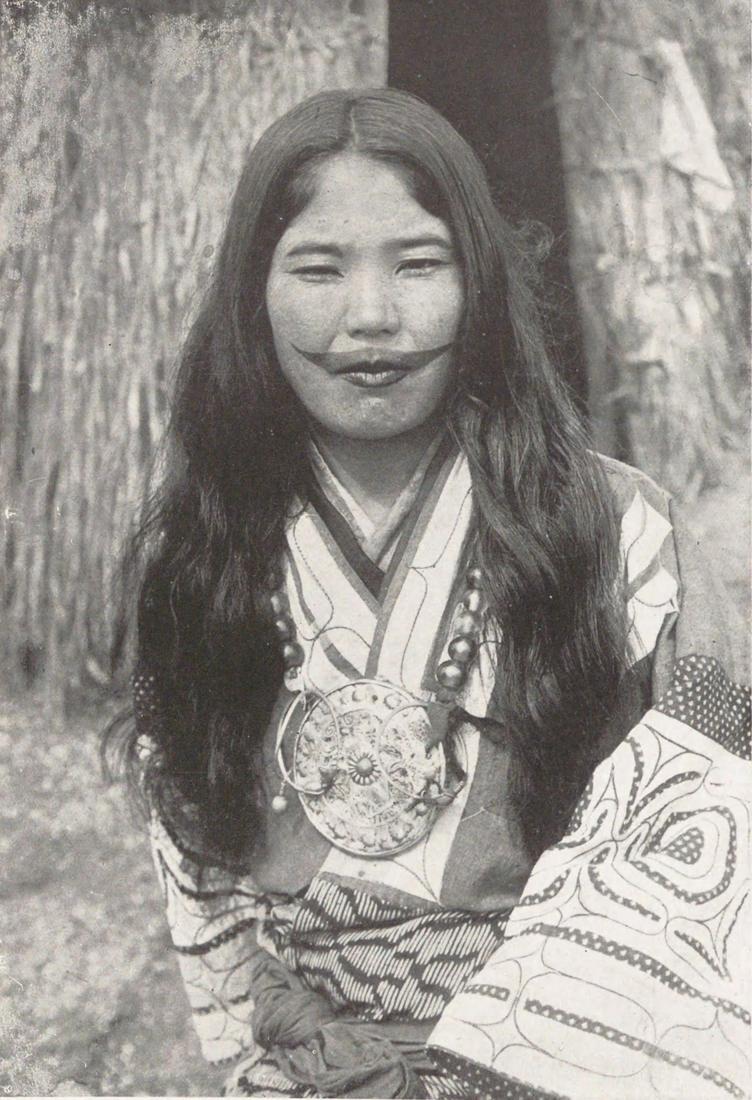 Unknown authorUnknown author · Public domain
| ลงตรงไหน | ใบหน้า, แขน, มือ |
|---|---|
| หยุดเพราะ | prohibited under Japanese administration in the nineteenth century |
| หมายเหตุ | Begun between five and thirteen, enlarged until marriage. |
| หมึก | คราม |
| ห่างกันกี่ปี | 1900–2026 (126) |
ราว ค.ศ. 1,600 – ค.ศ. 1,900 · Prohibited under Japanese rule; the last tattooed women died in the twentieth century
43.3000, 142.8000 · OpenStreetMap
คืออะไร
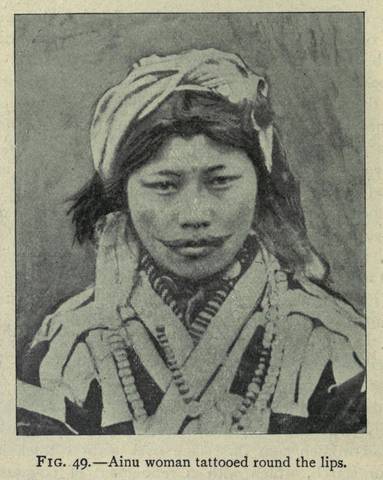
ฮกไกโดและซาฮาลิน รอบปากผู้หญิงด้วยสีคราม เริ่มตั้งแต่เด็กและขยายขึ้นจนถึงวัยแต่งงาน
ฉบับยาว
The Ainu word anchi-piri carries the tool inside it — obsidian, and a cut. Ink came from the indigo plant. The mark was made by women on women, on the mouth, the forearms and the backs of the hands, and it grew with its owner: a small mark at five to thirteen, widened over years, finished when she married.
The Japanese state prohibited it. What happened next is the same everywhere on this site: the practice stops, the women who have it grow old, and the only pictures left are the ones outsiders took.
เกี่ยวข้องกับ
- กรีด The method — a cut rubbed with pigment, not a puncture.
- Irezumi The other Japanese tradition, and the one the word usually means.
ถูกอ้างถึงโดย
แต่ละข้อความมาจากไหน
| Field | Tier | Source | Note |
|---|---|---|---|
| default | cited | Ainu people — Wikipedia (en) | |
| text_th | inference | written in Thai by this project, not machine-translated |
แหล่งอ้างอิง
- Ainu people — Wikipedia (en)
- Irezumi — Wikipedia (en)
cited Cited — a named source, linked · harvested Harvested — fetched from an open dataset, with its licence · tradition Tradition — general knowledge of the tradition, hedged · inference Inference — this project's own reasoning from the above · field Field — someone stood there