The Circle Kings
Old kings didn't have borders. They had a middle, and they shined.
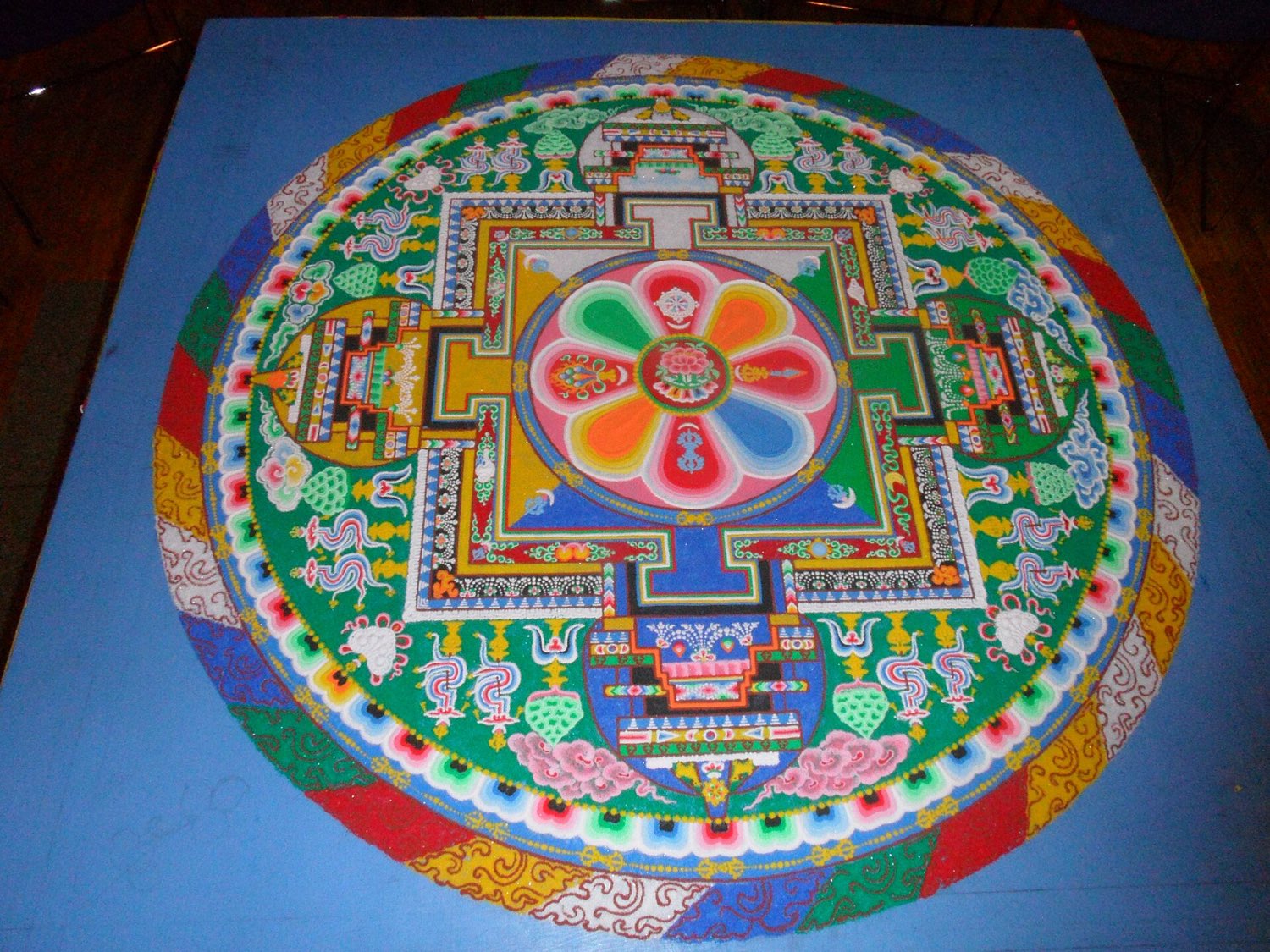
Mandala means circle
Mandala is an old word from India. It means circle.
A holy middle, and rings going out from it.
Old kings in Asia ran their countries in that shape. Draw one. It copies itself all the way around.
Your neighbor is your enemy
Kautilya wrote it down in India about 2,000 years ago.
Your neighbor wants your land, so he's your enemy. The fella past him has the same problem, so he's your friend.
Tap any kingdom to put it in the middle.
Light, not lines
A kingdom was like a porch light. Bright up close, dim out by the road.
Walk far enough and the next king's light is brighter.
Kings fought over people, not land. Land was plenty. Folks were scarce.
Some towns sat between two lights and paid both kings. In Thai that's a town under two skies.
Drag a king. Tap him to shine brighter.
Kings inside kings
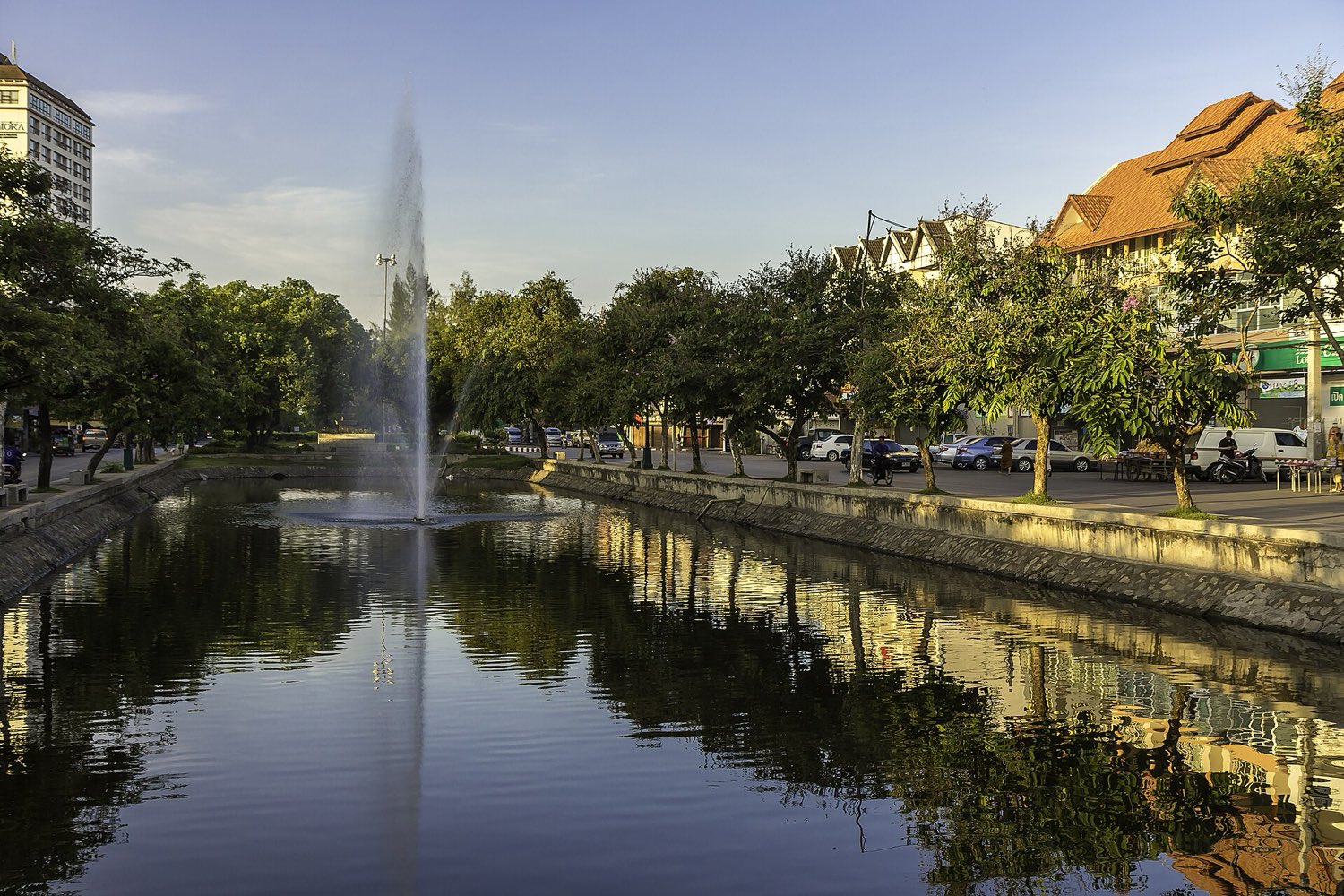
Big kings had little kings. Little kings had littler ones, all the way down to the village head man.
Same shape at every size. Tap a small one to go inside.
Gifts up, help down
Little kings sent big kings rice, elephants and men to fight. That's tribute.
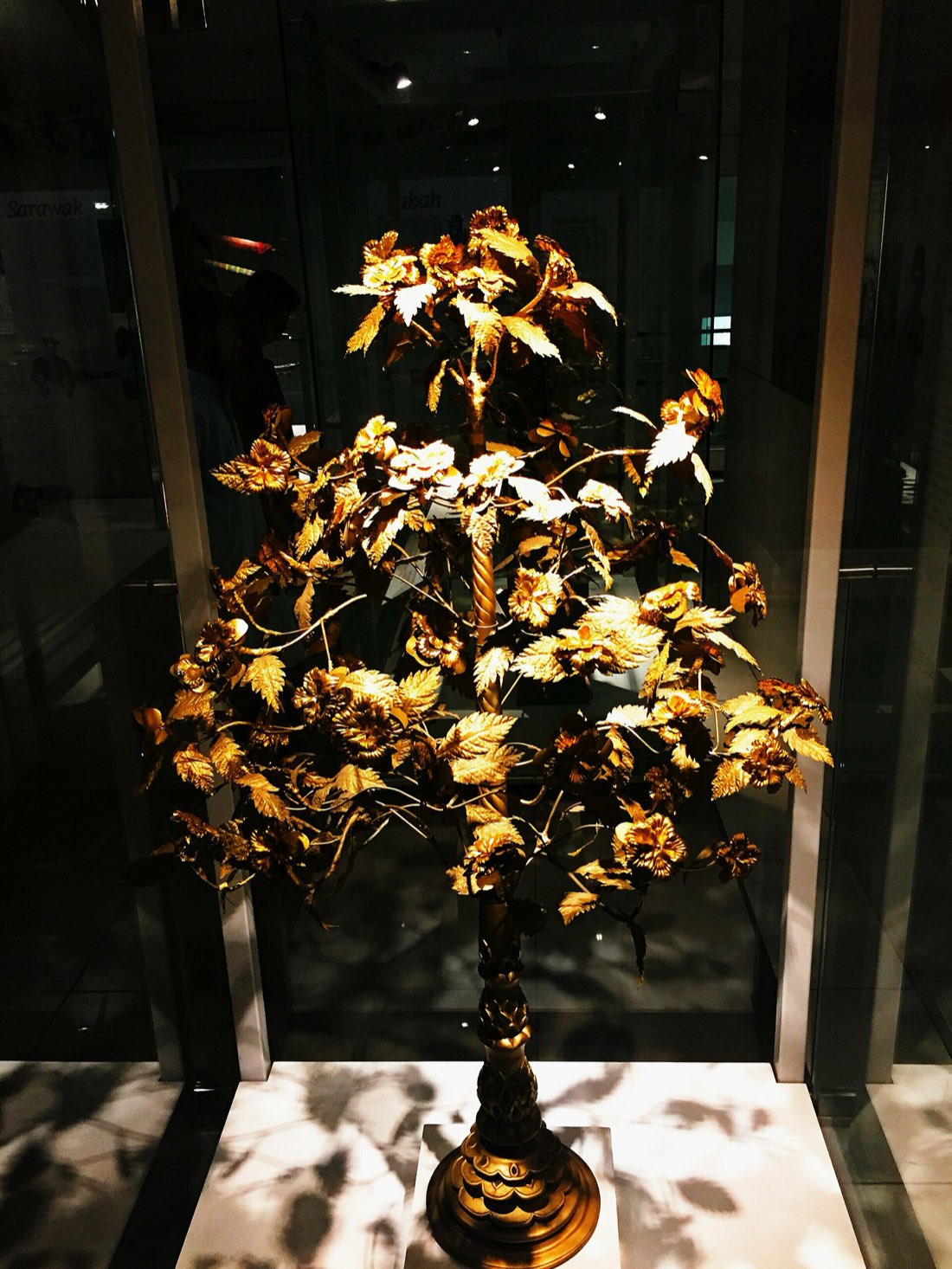
Malay sultans sent Siam a tree of gold and a tree of silver every three years. So did Chiang Mai.
The big king sent back a title and his word: mess with him, you mess with me.
Your turn. Two kings, ten baskets a year.
When the king dies, it wobbles
The shine came from the man, not the chair.
When a strong king died, his little kings looked around. Some stayed. Some left.
Then came the maps
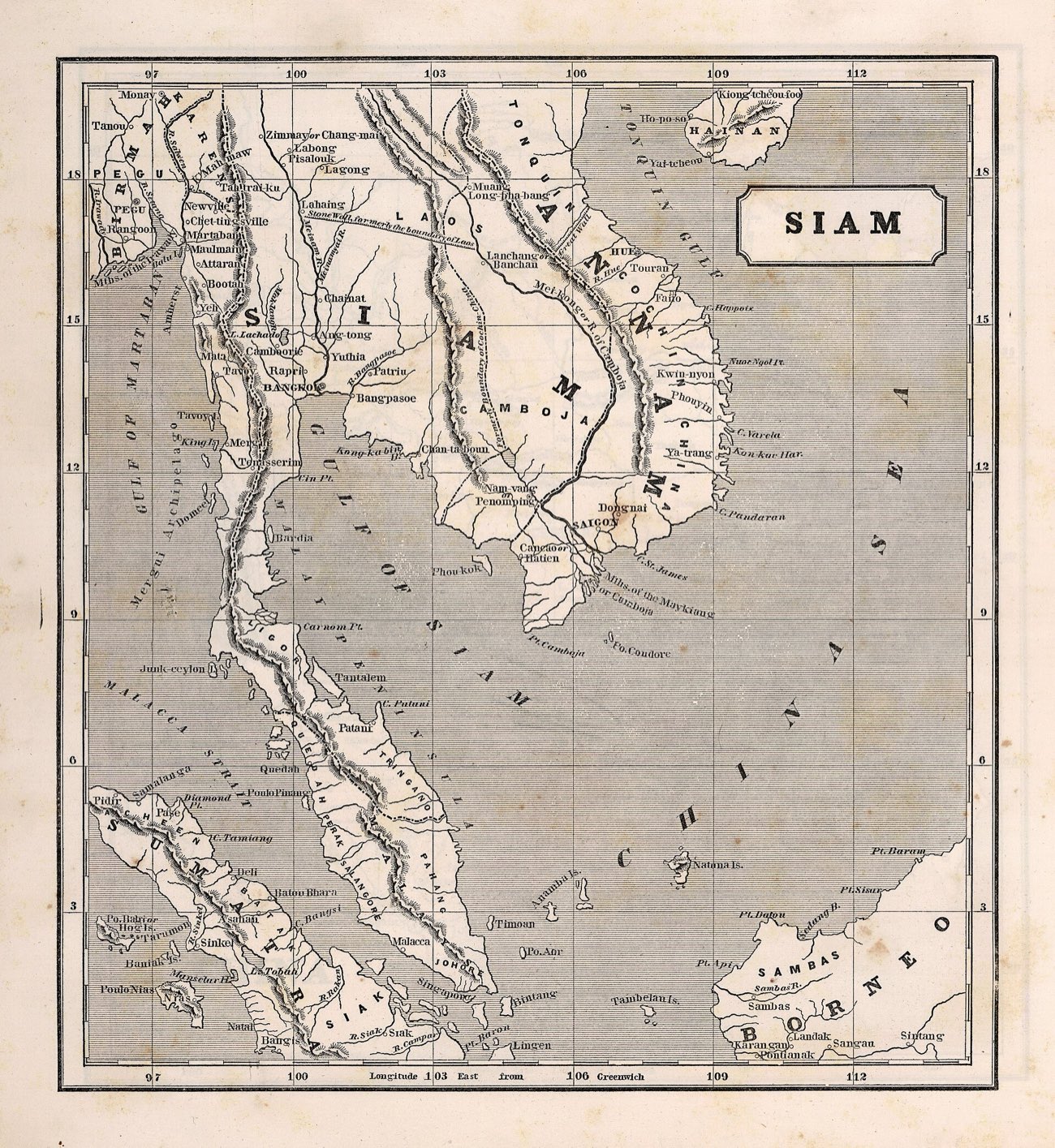
In the 1800s the British and the French showed up with rulers and ink.
Siam drew borders fast so nobody would take more.
Bangkok named its new provinces monthon. Same old word as mandala.
Chiang Mai had lords for 600 years. The last one died in 1939.


Backwards compatible
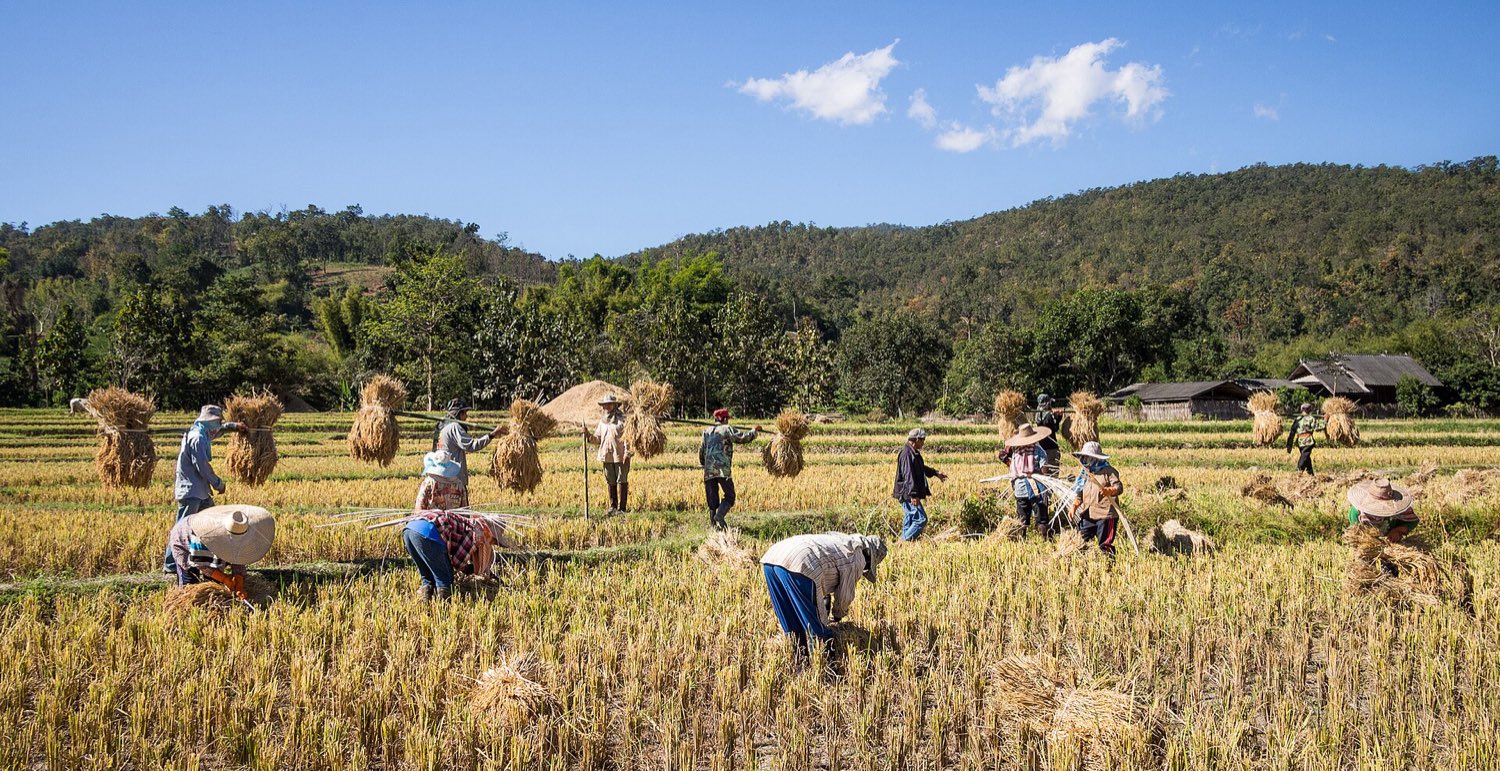
Today northern Thailand has provinces, districts and elections.
But ask a grandma who to see when the ditch floods. She'll say the head man, then the kamnan, then the big house in town. Thai folks call it ban yai.
The old circles still run under the new map, like an old game on a new computer.
Tap a village.
who folks go seepaperwork
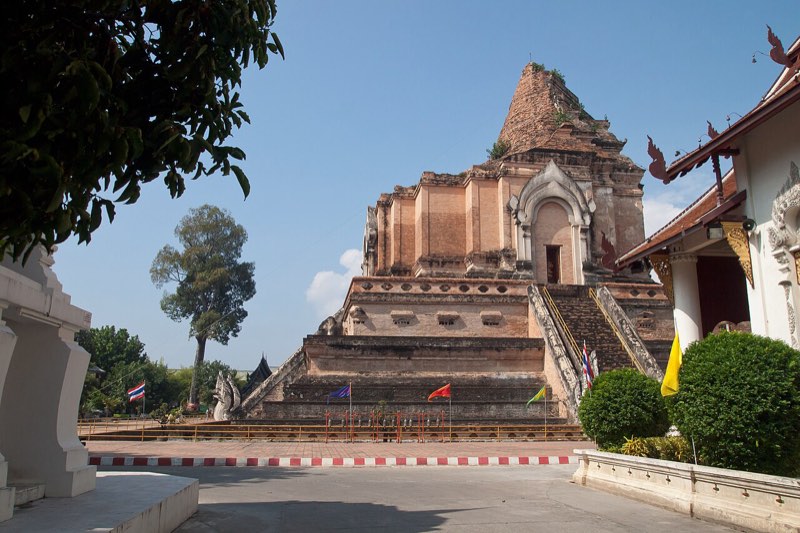
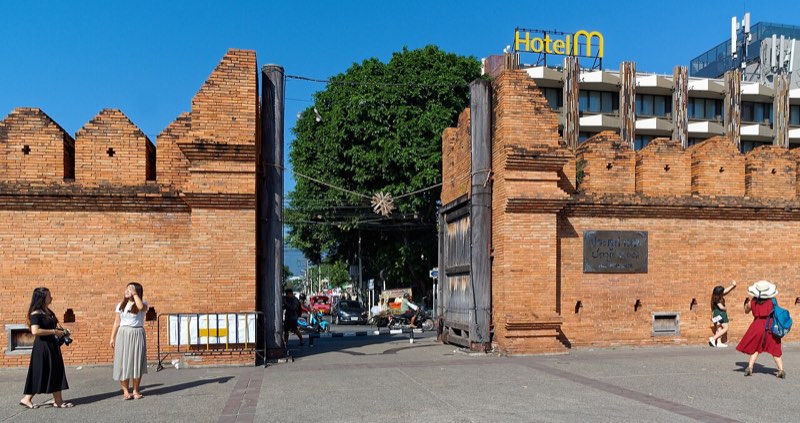
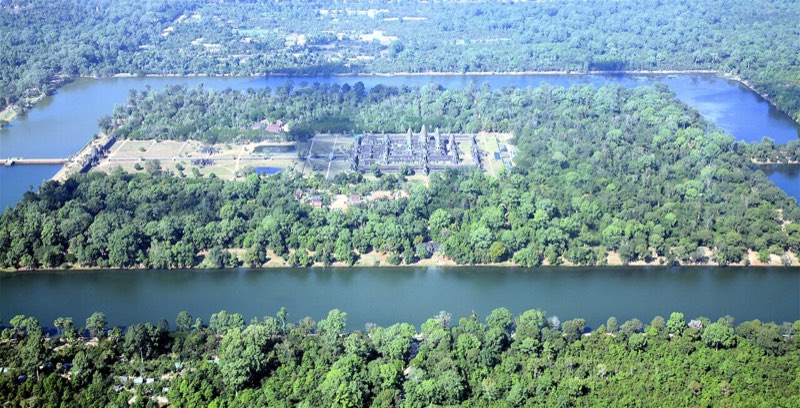
Go see one



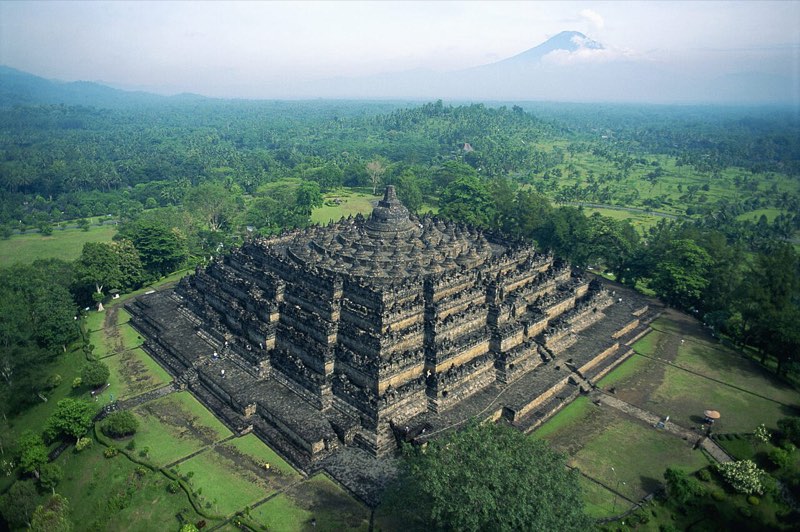

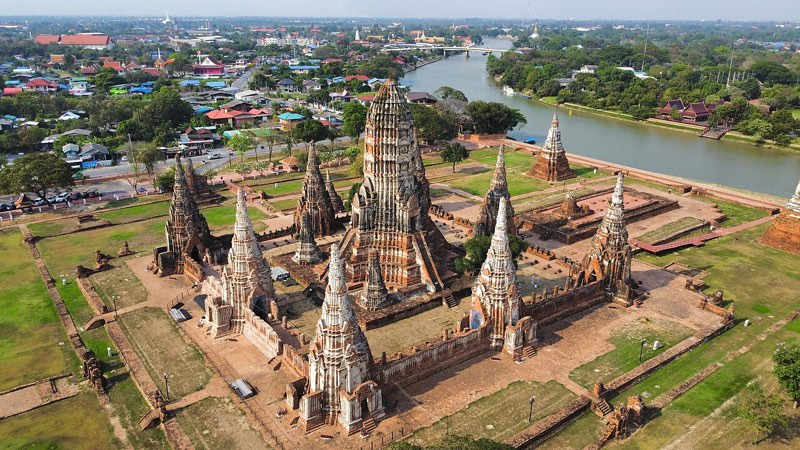

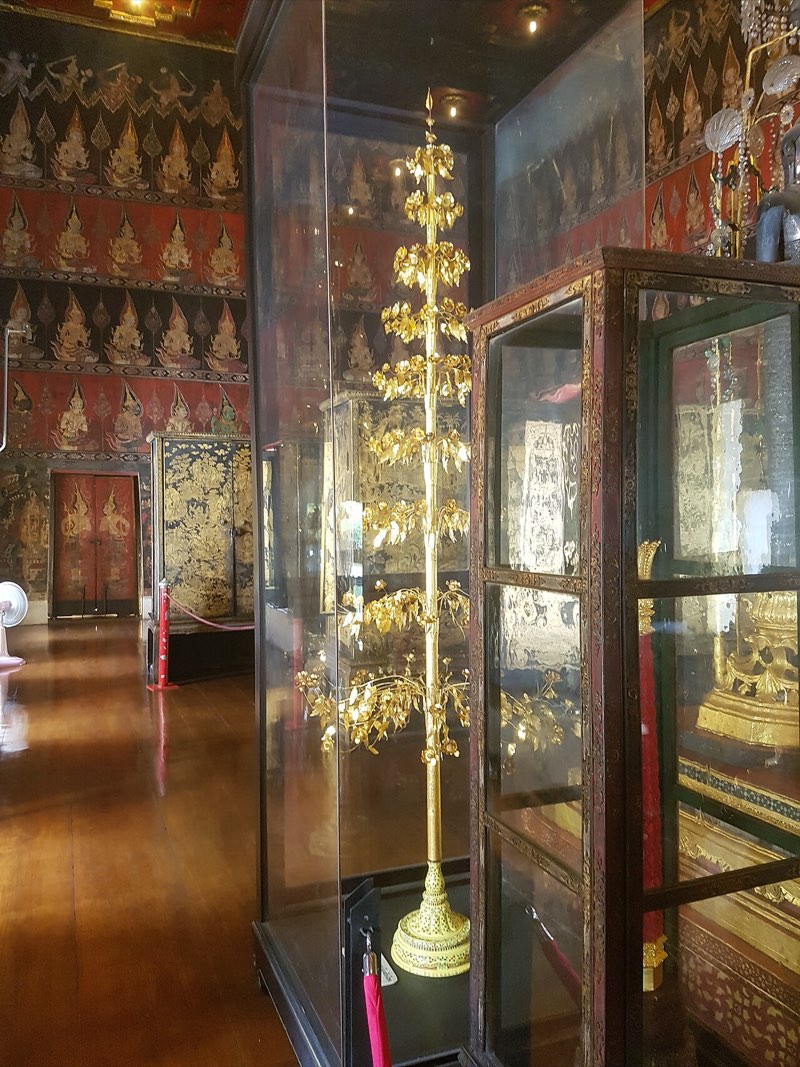

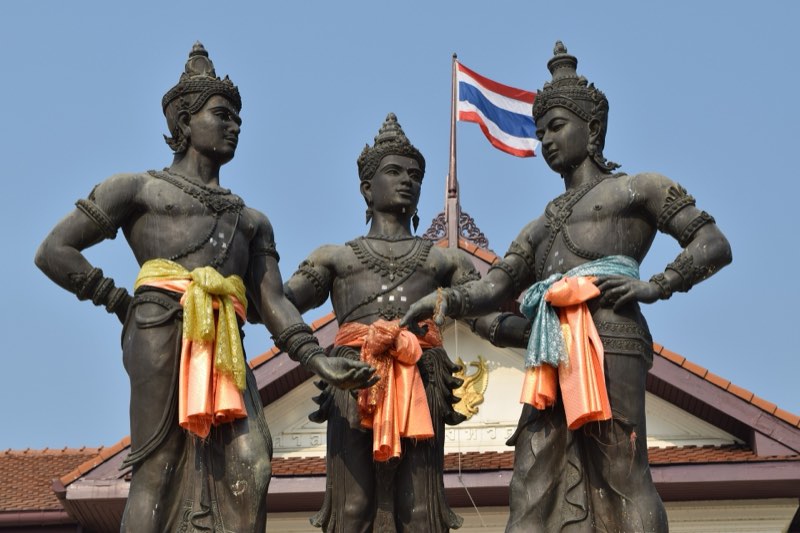

Words
- Mandala
- Circle.
- Mueang
- A town and the land around it.
- Chao
- Lord.
- Tribute
- Gifts from a small king to a big one.
- Kamnan
- Head of a few villages.
- Ban yai
- Big house: the family everyone goes to see.
Sources
- Kautilya, Arthashastra, Book 6, the circle of kings (rajamandala), translated by R. Shamasastry (1915): Book 6. Dating: Patrick Olivelle, King, Governance, and Law in Ancient India (Oxford, 2013).
- O. W. Wolters, "Ayudhyā and the Rearward Part of the World", Journal of the Royal Asiatic Society (1968), pp. 166–178, and History, Culture, and Region in Southeast Asian Perspectives (ISEAS, 1982; revised 1999). He brought Kautilya's word into Southeast Asian history.
- S. J. Tambiah, World Conqueror and World Renouncer (Cambridge University Press, 1976), chapter 7, The Galactic Polity.
- Sunait Chutintaranond, "Mandala, Segmentary State and Politics of Centralization in Medieval Ayudhya", Journal of the Siam Society 78(1) (1990): PDF
- Thongchai Winichakul, Siam Mapped: A History of the Geo-Body of a Nation (University of Hawai'i Press, 1994). Thai edition: กำเนิดสยามจากแผนที่.
- Volker Grabowsky, The Northern Tai Polity of Lan Na, ARI Working Paper 17 (2004): PDF
- Apiradee Techasiriwan, Tai Lü Manuscripts from Southern Yunnan and Northern Laos (PhD, Hamburg, 2019), p. 26, a polity with two overlords, เมืองสองฝ่ายฟ้า: PDF
- รัตนาพร เศรษฐกุล, การเมืองข้ามฝั่งโขง: ความสัมพันธ์ระหว่างน่านกับสิบสองปันนา, วารสารวิจิตรศิลป์ 6(1), 2558: article
- เพ็ญสุภา สุขคตะ, มติชนสุดสัปดาห์, 26 พ.ย. 2566, on the city navel and the Inthakhin pillar: column
- Tej Bunnag, The Provincial Administration of Siam, 1892–1915 (Oxford University Press, 1977). The monthon, headmen and kamnan.
- Christopher Paik and Jessica Vechbanyongratana, "Path to Centralization and Development: Evidence from Siam", World Politics 71(2) (2019). Chiang Mai fully run from Bangkok by 1915.
- Paul Chambers and Watcharapol Supajakwattana, "The Impact of 'Baan Yai' on Thai Politics", ISEAS Perspective 2025/28: PDF
- Andrew Walker, Thailand's Political Peasants: Power in the Modern Rural Economy (University of Wisconsin Press, 2012). A village in Chiang Mai province.
- Bunga mas: Muzium Negara · Wikipedia. Chiang Mai's gold and silver trees: Nakhon Chiang Mai, 1775–1899
- Wikipedia: Mandala (political model) · Lan Na · Monthon · Inthakhin pillar · Sand mandala · Maratha Confederacy
- Map outlines: Natural Earth, public domain. Kingdom dates on the years map are rounded.
- Photographs: Wikimedia Commons, credited on each picture.