BedsThe teak shophouse
ตึกแถวไม้สัก
Two storeys, a wooden balcony over the street, and floorboards that announce everybody.
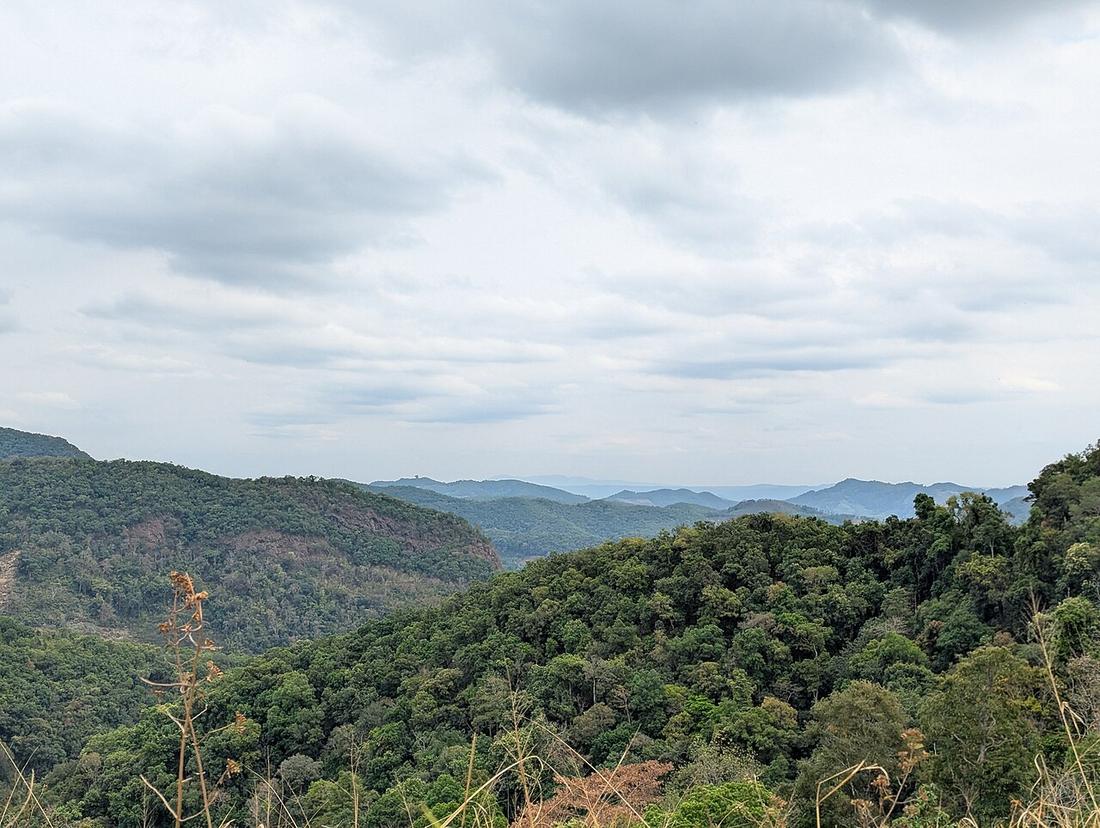 Angkun-ane · CC BY-SA 4.0
What it is
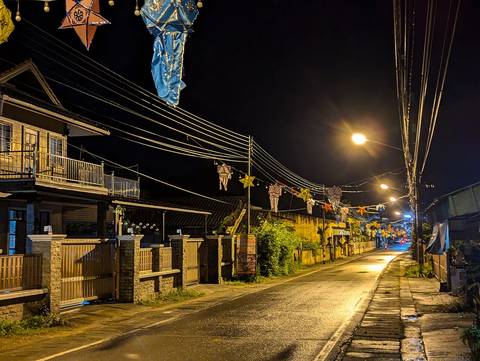
Mae Sariang and Mae Hong Son both keep rows of timber shophouses from the teak years, and some of them take guests.
The long version
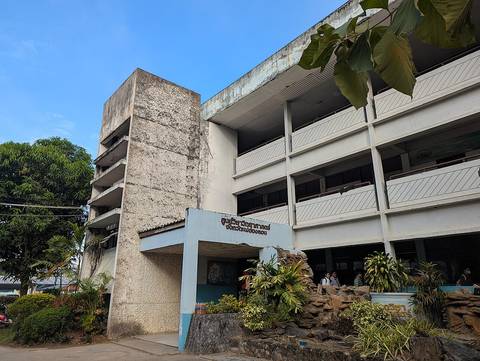
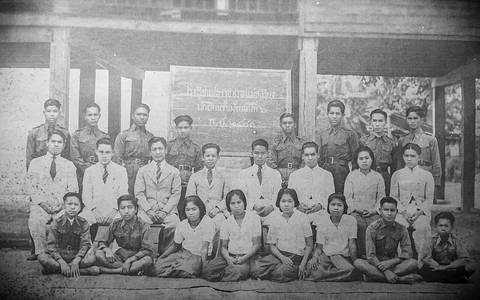
Teak built these towns. The trade ran west into Burma and down the rivers, and the buildings that are left are the physical remains of it — wide boards, deep eaves, a balcony over the shopfront.
Inference — staying in one is the cheapest history lesson on the circuit, and the trade-off is plain: timber carries sound, so you will hear the street until it sleeps and the stairs whenever anyone uses them. Mae Sariang is the quieter of the two towns to try it in.
The rooms are usually simple — a bed, a fan, a shared bathroom in the older ones. What you get is the building.
Runs with
- townMae Sariang — The quieter town to try it in.
- townMae Hong Son — The other one.
Where each claim comes from
| Field | Tier | Source | Note |
|---|---|---|---|
| default | cited | Teak — Wikipedia (en) | |
| text_th | inference | written in Thai by this project, not machine-translated |
Sources
- Teak — Wikipedia (en)
- Mae Sariang district — Wikipedia (en)
- OpenStreetMap — OpenStreetMap contributors
cited Cited — a named source, linked · harvested Harvested — fetched from an open dataset, with its licence · tradition Tradition — general knowledge of the tradition, hedged · inference Inference — this project's own reasoning from the above · field Field — someone stood there